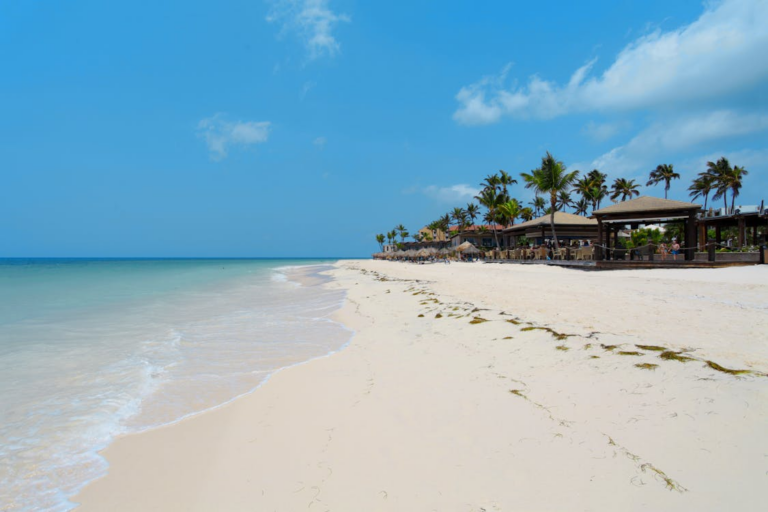

Which countries are affected by international tourism?
International tourism plays a pivotal role in shaping the economies and cultures of countries around the globe. As travel becomes increasingly accessible, nations are experiencing a surge in international visitors, each bringing unique influences and expectations. This dynamic sector not only fosters cultural exchange but also significantly impacts local economies, infrastructure, and employment opportunities.
In this article, we will explore the multifaceted effects of international tourism on various countries. From identifying the top destinations that attract millions of travelers to analyzing the economic implications and challenges faced by nations reliant on tourism, we aim to provide a comprehensive overview of this vital industry.
Tourism plays a crucial role in the economic development of nations. It not only generates revenue but also fosters cultural exchange and global understanding. As countries seek to enhance their economic strategies, the importance of tourism cannot be overstated. For a deeper insight into the significance of tourism for nations, please refer to this article on why countries should be interested in tourism: why countries should be interested in tourism.
Which countries are affected by international tourism?
International tourism significantly impacts a wide range of countries across the globe. Destinations such as France, Spain, the United States, and China are among the most affected, attracting millions of international visitors each year. These countries benefit economically from tourism-related activities, including hospitality, transportation, and retail. Additionally, nations like Thailand, Italy, and Mexico rely heavily on tourism as a vital component of their economies, with many local communities depending on the influx of travelers for their livelihoods. Emerging destinations, such as Vietnam and Portugal, are also experiencing increased international tourist arrivals, contributing to their economic growth. However, the effects of international tourism are not uniformly positive; issues such as environmental degradation, cultural dilution, and overtourism can arise, prompting countries to adopt sustainable tourism practices. Overall, international tourism shapes economies, cultures, and environments in diverse ways across various nations.
Global Overview of International Tourism Trends
International tourism has experienced significant fluctuations over the past few years, driven by various factors such as economic conditions, geopolitical events, and, most recently, the COVID-19 pandemic. As countries gradually recover, the landscape of international travel is evolving, with new trends emerging that reflect changing consumer preferences and technological advancements.
One notable trend is the rise of sustainable tourism. Travelers are increasingly seeking eco-friendly options and experiences that minimize their environmental impact. This shift is prompting destinations to adopt sustainable practices, such as promoting local cultures, reducing waste, and conserving natural resources. Additionally, the demand for personalized travel experiences is growing, with tourists favoring unique, off-the-beaten-path adventures over traditional tourist hotspots.
Key trends shaping international tourism include:
- Digital Transformation: The use of technology in travel planning and booking has surged, with mobile apps and online platforms becoming essential tools for travelers.
- Health and Safety: Post-pandemic, travelers prioritize health measures, leading to increased demand for destinations that can guarantee safety protocols.
- Remote Work and Bleisure Travel: The rise of remote work has blurred the lines between business and leisure travel, with many professionals opting to work from vacation spots.
As the world adapts to these changes, international tourism is poised for a gradual recovery, with a focus on resilience and sustainability.
Top Destinations: Countries with the Highest International Tourist Arrivals
Certain countries consistently attract the highest number of international tourists, thanks to their rich cultural heritage, stunning landscapes, and well-developed tourism infrastructure. According to recent statistics, the following countries are among the top destinations for international tourist arrivals:
- France: Known for its iconic landmarks like the Eiffel Tower and the Louvre, France remains a perennial favorite for travelers seeking art, history, and gastronomy.
- Spain: With its vibrant cities, beautiful beaches, and diverse regions, Spain offers a mix of cultural experiences that appeal to a wide range of tourists.
- United States: The U.S. boasts a vast array of attractions, from natural wonders like the Grand Canyon to bustling urban centers like New York City and Los Angeles.
- China: Rich in history and culture, China draws millions of visitors to its ancient sites, modern cities, and breathtaking landscapes.
- Italy: Renowned for its art, architecture, and culinary delights, Italy captivates tourists with its romantic cities and picturesque countryside.
These countries not only attract millions of visitors each year but also invest heavily in their tourism sectors to enhance visitor experiences and maintain their competitive edge in the global market.
Economic Impact of International Tourism on Affected Countries
International tourism plays a crucial role in the economies of many countries, contributing significantly to GDP, job creation, and foreign exchange earnings. However, the impact of tourism can vary widely depending on the destination’s reliance on this sector and its ability to adapt to changing circumstances.
Countries heavily dependent on tourism often experience substantial economic benefits, including:
- Job Creation: The tourism sector generates millions of jobs, from hospitality and transportation to retail and entertainment.
- Foreign Exchange Earnings: International tourists contribute to the local economy by spending on accommodation, food, and activities, which boosts foreign currency reserves.
- Infrastructure Development: Increased tourist arrivals often lead to improvements in infrastructure, such as transportation, healthcare, and public services.
However, the economic impact of international tourism can also pose challenges. For instance, during the COVID-19 pandemic, many countries faced severe economic downturns due to travel restrictions, leading to job losses and business closures. As nations work towards recovery, they must balance the benefits of tourism with the need for sustainable practices and resilience against future disruptions.
Tourism plays a significant role in the economic and cultural development of regions worldwide. Various factors contribute to the encouragement of tourism by countries and cities, reflecting their unique attractions and opportunities. For a deeper understanding of the motivations behind this trend, you may explore the article on why countries and cities encourage tourism at why countries and cities promote tourism initiatives.
Regions Most Influenced by International Travel: A Breakdown
International travel significantly influences various regions around the globe, shaping their economies, cultures, and social dynamics. Some areas are particularly reliant on tourism, making them more susceptible to the fluctuations of global travel trends. Regions such as the Caribbean, Southeast Asia, and parts of Europe exemplify this phenomenon, where tourism is a primary economic driver.
In the Caribbean, for instance, countries like the Bahamas and Jamaica depend heavily on international visitors for economic stability. The tourism sector accounts for a substantial portion of their GDP, providing jobs and supporting local businesses. Similarly, Southeast Asian nations, including Thailand and Indonesia, have seen rapid growth in tourism, attracting millions of visitors each year with their rich cultural heritage and natural beauty. In Europe, countries like Greece and Portugal have also experienced a tourism boom, with travelers flocking to their historic sites and picturesque landscapes.
Key regions influenced by international travel include:
- Caribbean: The region’s economy is heavily reliant on tourism, with many islands depending on cruise ships and beach resorts.
- Southeast Asia: Countries like Thailand and Vietnam attract tourists with their unique cultures, cuisine, and natural attractions.
- Europe: Nations such as Italy and Spain benefit from a rich historical and cultural appeal, drawing millions of international visitors annually.
- Middle East: Destinations like Dubai and Abu Dhabi have transformed into global tourism hubs, offering luxury experiences and modern attractions.
These regions not only experience economic benefits from tourism but also face challenges such as environmental degradation and cultural commodification. As international travel continues to evolve, these areas must adapt to changing tourist preferences while ensuring sustainable practices to protect their unique identities and natural resources.
Challenges and Opportunities for Countries Dependent on International Tourism
Countries that rely heavily on international tourism face a unique set of challenges and opportunities. The COVID-19 pandemic highlighted the vulnerabilities of tourism-dependent economies, as travel restrictions led to significant declines in visitor numbers, resulting in job losses and economic downturns. However, this crisis also presented an opportunity for these nations to rethink their tourism strategies and focus on resilience and sustainability.
One of the primary challenges is the over-reliance on tourism as a single economic driver. Countries like Maldives and Fiji, which depend almost entirely on international visitors, are particularly vulnerable to global disruptions. Additionally, issues such as environmental degradation, cultural erosion, and the seasonal nature of tourism can strain local resources and communities. To combat these challenges, countries must diversify their economies and invest in sustainable tourism practices.
Opportunities for tourism-dependent nations include:
- Diversification: Developing other sectors, such as agriculture or technology, can reduce dependence on tourism and create a more balanced economy.
- Sustainable Practices: Emphasizing eco-friendly tourism can attract a new wave of travelers who prioritize sustainability, enhancing the destination’s appeal.
- Digital Transformation: Leveraging technology for marketing and customer engagement can help countries reach a broader audience and improve visitor experiences.
- Community Involvement: Engaging local communities in tourism development can ensure that benefits are distributed equitably and that cultural heritage is preserved.
By addressing these challenges and seizing opportunities, countries dependent on international tourism can build more resilient economies and create sustainable tourism models that benefit both visitors and local communities. As the global travel landscape continues to evolve, adaptability will be key to thriving in the future of international tourism.
In conclusion, international tourism significantly impacts a wide array of countries, shaping their economies, cultures, and environments. Nations like France, Spain, and the United States benefit immensely from the influx of tourists, which stimulates local businesses and creates jobs. Conversely, countries with emerging tourism sectors, such as Vietnam and Costa Rica, experience rapid growth and development, enhancing their global presence. However, the effects of tourism are not universally positive; some regions grapple with challenges such as environmental degradation, cultural dilution, and economic dependency. As global travel continues to evolve, it is crucial for countries to adopt sustainable tourism practices that balance economic benefits with the preservation of cultural heritage and natural resources. By fostering responsible tourism, nations can ensure that the advantages of international travel are maximized while minimizing its adverse effects, ultimately leading to a more equitable and sustainable global tourism landscape.